UX / UI Design
Patient Therapy Companion
Designed a patient-centric mobile therapy guide to support users navigating complex medical treatments. Focused on structural accessibility, translation of medical data, and empathy-driven UX layouts to reduce anxiety and friction.
Project Duration :
2022 - 16 weeks
Client :
Noah Therapies
Industry :
Digital Health & MedTech
Role :
Lead Mobile Product Designer
Team size :
Cross-functional (Clinical Leads, PMs, Devs)
Tools :
Figma • iOS/Android Guidelines
Problem :
Patients undergoing specialized medical therapies often face immense cognitive overload. Legacy medical interfaces are typically clinical, cold, and hard to navigate. This confusing layout caused high drop-off rates and increased patient anxiety during critical treatment phases.
Furthermore, translating complex medical jargon and daily therapy tracking into a simple interface was a massive challenge. Patients needed to log symptoms and track routines without feeling overwhelmed by technical medical data.

Solution :
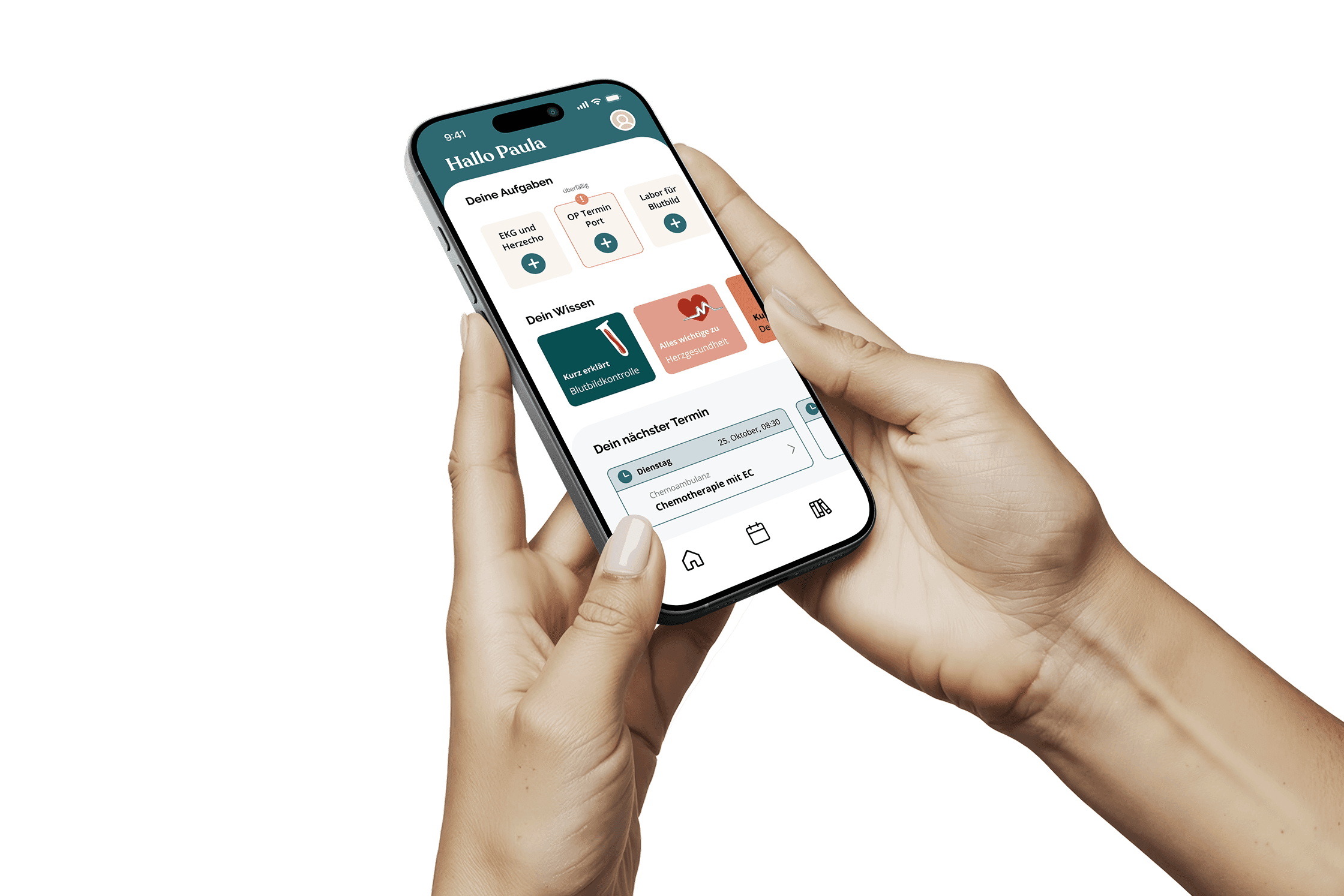
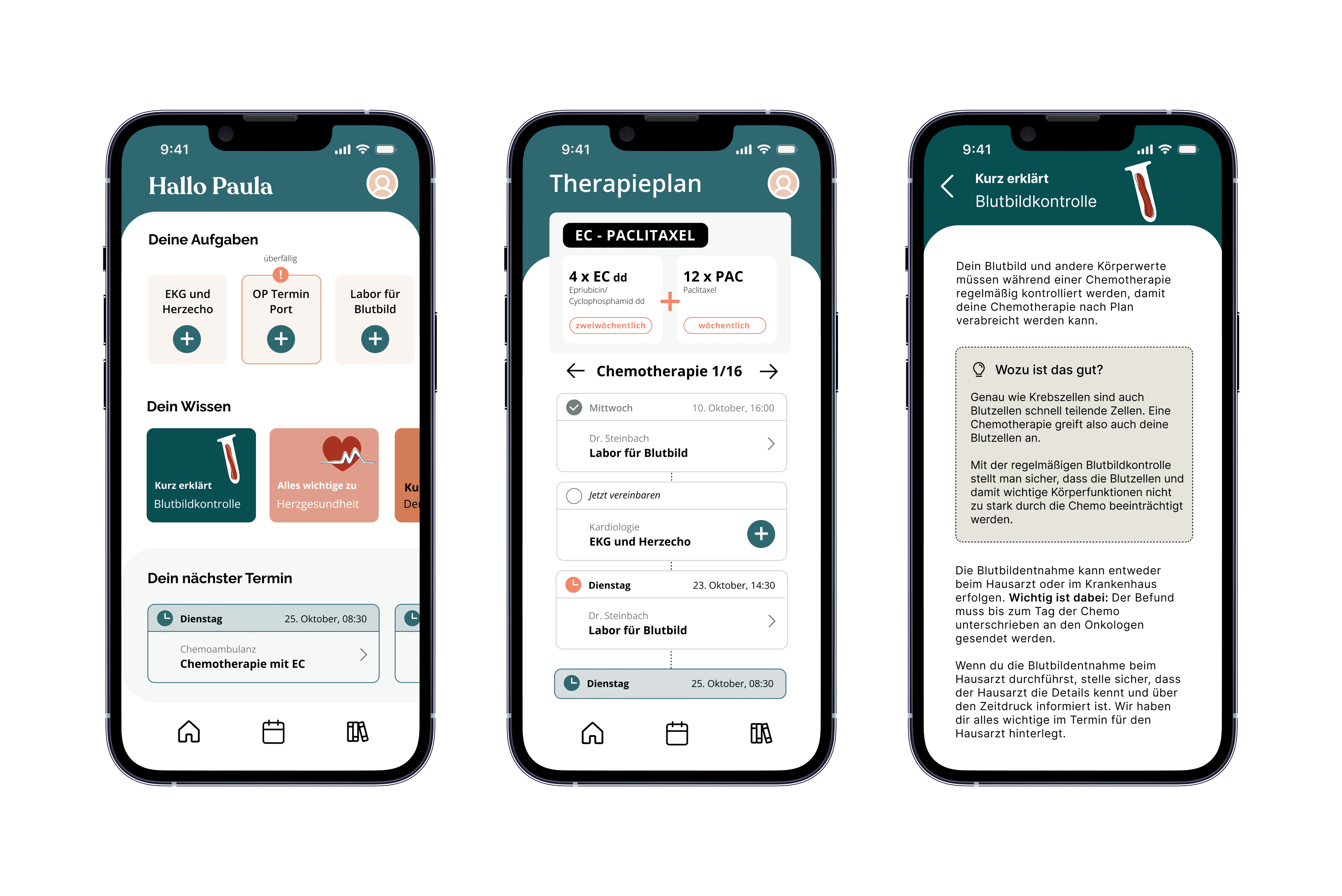
Led the mobile UX architecture by focusing on progressive disclosure and soothing visual hierarchies. We designed a gentle, structured symptom tracker and a clean daily medication log.
To build deep trust, we conducted extensive empathy mapping and usability testing with real patients. The final layout prioritized ample whitespace, soft color tokens, and highly readable typography to make daily tracking feel manageable and reassuring.
Open Figma Prototype

Challenge :
The primary difficulty was designing for users under high cognitive and emotional stress. Standard UI assumptions do not apply when a patient is fatigued, anxious, or overwhelmed.
We had to balance strict medical accuracy with absolute simplicity. Every button, input field, and notification had to be tested for micro-usability. We worked closely with healthcare advisors to ensure the medical terminology was simplified without losing its clinical validity.
Summary :
Successfully launched a highly accessible, comforting digital therapy guide supporting over 1,000 active users. The redesigned platform made complex health data accessible and easy to digest.
Validated through target usability tests, the new structure successfully reduced user friction by 15%. The design proved that medical interfaces can be technically compliant while remaining beautifully human and highly supportive.
More Projects





UX / UI Design
Patient Therapy Companion
Designed a patient-centric mobile therapy guide to support users navigating complex medical treatments. Focused on structural accessibility, translation of medical data, and empathy-driven UX layouts to reduce anxiety and friction.
Project Duration :
2022 - 16 weeks
Client :
Noah Therapies
Industry :
Digital Health & MedTech
Role :
Lead Mobile Product Designer
Team size :
Cross-functional (Clinical Leads, PMs, Devs)
Tools :
Figma • iOS/Android Guidelines
Problem :
Patients undergoing specialized medical therapies often face immense cognitive overload. Legacy medical interfaces are typically clinical, cold, and hard to navigate. This confusing layout caused high drop-off rates and increased patient anxiety during critical treatment phases.
Furthermore, translating complex medical jargon and daily therapy tracking into a simple interface was a massive challenge. Patients needed to log symptoms and track routines without feeling overwhelmed by technical medical data.
Solution :
Led the mobile UX architecture by focusing on progressive disclosure and soothing visual hierarchies. We designed a gentle, structured symptom tracker and a clean daily medication log.
To build deep trust, we conducted extensive empathy mapping and usability testing with real patients. The final layout prioritized ample whitespace, soft color tokens, and highly readable typography to make daily tracking feel manageable and reassuring.
Open Figma Prototype
Challenge :
The primary difficulty was designing for users under high cognitive and emotional stress. Standard UI assumptions do not apply when a patient is fatigued, anxious, or overwhelmed.
We had to balance strict medical accuracy with absolute simplicity. Every button, input field, and notification had to be tested for micro-usability. We worked closely with healthcare advisors to ensure the medical terminology was simplified without losing its clinical validity.
Summary :
Successfully launched a highly accessible, comforting digital therapy guide supporting over 1,000 active users. The redesigned platform made complex health data accessible and easy to digest.
Validated through target usability tests, the new structure successfully reduced user friction by 15%. The design proved that medical interfaces can be technically compliant while remaining beautifully human and highly supportive.
More Projects
UX / UI Design
Patient Therapy Companion
Designed a patient-centric mobile therapy guide to support users navigating complex medical treatments. Focused on structural accessibility, translation of medical data, and empathy-driven UX layouts to reduce anxiety and friction.
Project Duration :
2022 - 16 weeks
Client :
Noah Therapies
Industry :
Digital Health & MedTech
Role :
Lead Mobile Product Designer
Team size :
Cross-functional (Clinical Leads, PMs, Devs)
Tools :
Figma • iOS/Android Guidelines
Problem :
Patients undergoing specialized medical therapies often face immense cognitive overload. Legacy medical interfaces are typically clinical, cold, and hard to navigate. This confusing layout caused high drop-off rates and increased patient anxiety during critical treatment phases.
Furthermore, translating complex medical jargon and daily therapy tracking into a simple interface was a massive challenge. Patients needed to log symptoms and track routines without feeling overwhelmed by technical medical data.
Solution :
Led the mobile UX architecture by focusing on progressive disclosure and soothing visual hierarchies. We designed a gentle, structured symptom tracker and a clean daily medication log.
To build deep trust, we conducted extensive empathy mapping and usability testing with real patients. The final layout prioritized ample whitespace, soft color tokens, and highly readable typography to make daily tracking feel manageable and reassuring.
Open Figma Prototype
Challenge :
The primary difficulty was designing for users under high cognitive and emotional stress. Standard UI assumptions do not apply when a patient is fatigued, anxious, or overwhelmed.
We had to balance strict medical accuracy with absolute simplicity. Every button, input field, and notification had to be tested for micro-usability. We worked closely with healthcare advisors to ensure the medical terminology was simplified without losing its clinical validity.
Summary :
Successfully launched a highly accessible, comforting digital therapy guide supporting over 1,000 active users. The redesigned platform made complex health data accessible and easy to digest.
Validated through target usability tests, the new structure successfully reduced user friction by 15%. The design proved that medical interfaces can be technically compliant while remaining beautifully human and highly supportive.